Wildlife Removal in Columbus, Georgia
What is in your attic, what it costs to get out, and what Georgia law requires. Request a quote and we will pass it to a licensed local operator where one is available.
- Sourced from Georgia DNR published rules
- Independent; we do not perform removals
- We refer only to licensed operators
- You are never charged by us
Start with the animal
Different animals do different damage on different timetables, and the law treats them very differently. Pick what you are dealing with.
Raccoons
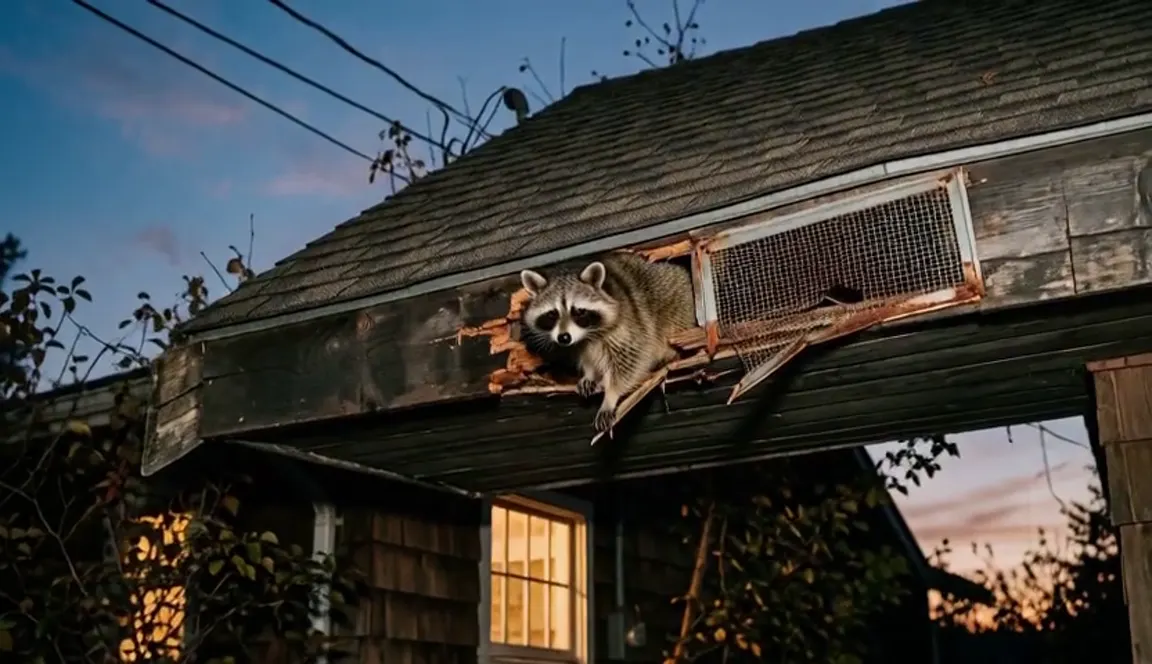
Raccoons tear their own way in, which is why they do more damage to a house than most animals that get inside one.
$300 – $600 for removal; far more if the attic needs restoring
Raccoon removal →Squirrels
Squirrels in an attic gnaw constantly, and wiring is among the things they gnaw.
$300 – $550 typical
Squirrel removal →Bats
Bats are the most legally constrained animal in this trade. Getting the timing wrong is not just inhumane, it is often illegal.
$400 – $600 small colony · $500 – $1,200 typical · $5,000 – $8,500 for a large colony
Bat removal →Opossums
Opossums are less destructive than raccoons but they den in the same places, and they are much harder to smell out until the mess is substantial.
$250 – $500 typical
Opossum removal →Armadillos
An armadillo can turn a good lawn over in a single night, and the burrows go under concrete.
$250 – $550 typical
Armadillo removal →Snakes
Most snakes found around Columbus homes are harmless and beneficial. A few are not, and the difference matters.
$150 – $400 for removal of a single snake
Snake removal →Skunks
Skunks den under porches, decks and sheds, and you usually know about it before you see one.
$300 – $550 typical
Skunk removal →Birds
Almost every native bird is protected by federal law, active nests included, so what is legal depends on the species.
$200 – $600 depending on access
Bird removal →Dead animals
Unpleasant, urgent, and almost always the consequence of an earlier problem that was sealed up instead of solved.
$200 – $600, more if drywall has to be opened
Dead animal removal →How they actually get in
Almost every job starts at one of the same eight places. Knowing which one matters, because sealing the wrong gap just moves the problem.
The part most people get wrong
An exterminator and a wildlife operator are not the same trade. Nuisance wildlife control requires a separate state licence, and bats and nearly all native birds are protected by law: a general pest company often cannot legally touch them. Nor will animal control: agencies decline this work and refer callers to private operators.
Anyone charging for nuisance wildlife control in Georgia must hold an NWCO permit issued by Georgia DNR, and cannot legally begin work without one. Permit holders must also maintain a valid Georgia trapping licence at all times; if the trapping licence lapses, the NWCO permit is no longer valid. Everything Georgia requires →
- 9animals covered in depth, not listed
- 8towns across Muscogee County and around it
- Georgialaw cited from the published source
- $0charged to you by this site, ever
What Columbus is actually like to work in
The Columbus Historic District has been on the National Register since 1969 and runs from the Chattahoochee east to Fourth Avenue, a dense block of Greek Revival, Georgian and late Victorian housing, much of it nineteenth century. North Highlands and the old Bibb City area are a different kind of old: mill housing put up for workers around the City Mills and Bibb Mill complexes, built quickly, built small, and built close together. Both kinds are generous to an animal for opposite reasons, one through decorative complexity and one through thin, tightly packed construction.
The Chattahoochee bluff is the thing that makes Columbus different from the rest of middle Georgia. The riverfront industrial district still holds fabric from the 1830s, and the wooded bluff running through the middle of a city of two hundred thousand people keeps a working animal corridor inside the urban area rather than out at its edge.
Columbus Animal Care and Control sits inside the Special Enforcement Division of the Consolidated Government, and its published remit is the Animal and Fowl Ordinance: rabies vaccination compliance, animal registration, bite quarantines, cruelty investigations and a shelter that takes in roughly 8,400 stray, abandoned and surrendered animals a year. That is a domestic animal workload from end to end. A raccoon in a roof is not in it. Columbus Consolidated Government, Animal Care and Control
Getting the animal out is half the job
By the time most people call, something has been living up there for weeks. The droppings, the flattened and soaked insulation, the chewed wiring and the smell all remain after the animal has gone, and on an insurance claim or a house sale, that is the part that gets inspected. What restoration involves →
Somebody has to look at the property to answer that. How many entry points or burrows there are, how hard they are to get at, and whether young are present is what sets the price, and none of it can be judged from a description. Send us your address and we will pass it to a licensed local operator where one is available. Request a quote →
Common questions
Who actually does wildlife removal: can I just call an exterminator?
Usually not. Nuisance wildlife work requires a state licence that a pesticide applicator’s licence does not cover, and bats and most native birds are protected by law. A general pest control company often cannot legally take the job.
Will the city or animal control come out for free?
Columbus Animal Care and Control sits inside the Special Enforcement Division of the Consolidated Government, and its published remit is the Animal and Fowl Ordinance: rabies vaccination compliance, animal registration, bite quarantines, cruelty investigations and a shelter that takes in roughly 8,400 stray, abandoned and surrendered animals a year. That is a domestic animal workload from end to end. A raccoon in a roof is not in it.
What does it cost?
It depends entirely on the animal. Removing a single snake might be $150; a large bat colony with attic restoration can run past $8,000. The per-animal pages below give honest ranges.
Is it urgent?
Often yes, and not for the reason people expect. The animal itself is rarely the emergency: the damage compounds. Chewed wiring, soaked insulation and young born inside a wall all get worse and more expensive by the week.
Where we cover
Across Columbus, Muscogee County and the surrounding towns:
Columbus · Phenix City · Fortson · Midland · Cataula · Hamilton · Upatoi · Ellerslie. Service areas →
Request a quote
We read every request and pass it to a licensed wildlife operator covering Columbus where one is available. We are still building our list of operators here, so we cannot promise one is available or say how quickly they will respond.